Client: WindRat
6 × 4-5 min | 2023-24 | 2:1 | 4K DCI

Wind turbines are not only symbols of progress and commitment to a more sustainable future, but also an impressive and efficient source of renewable energy. They make an important contribution to tackling the global challenge of climate change – and yet prejudices and misunderstandings about wind power persist.
For the WindRat initiative, we have therefore created a six-part portrait film series that informs, inspires, motivates and supports local stakeholders, municipal decision-makers and citizens to actively promote the environmentally friendly expansion of wind energy in their own region. In collaboration with our client, six success stories on wind energy expansion were selected nationwide and portrayed on camera to promote expansion and specifically increase acceptance through the medium of film.
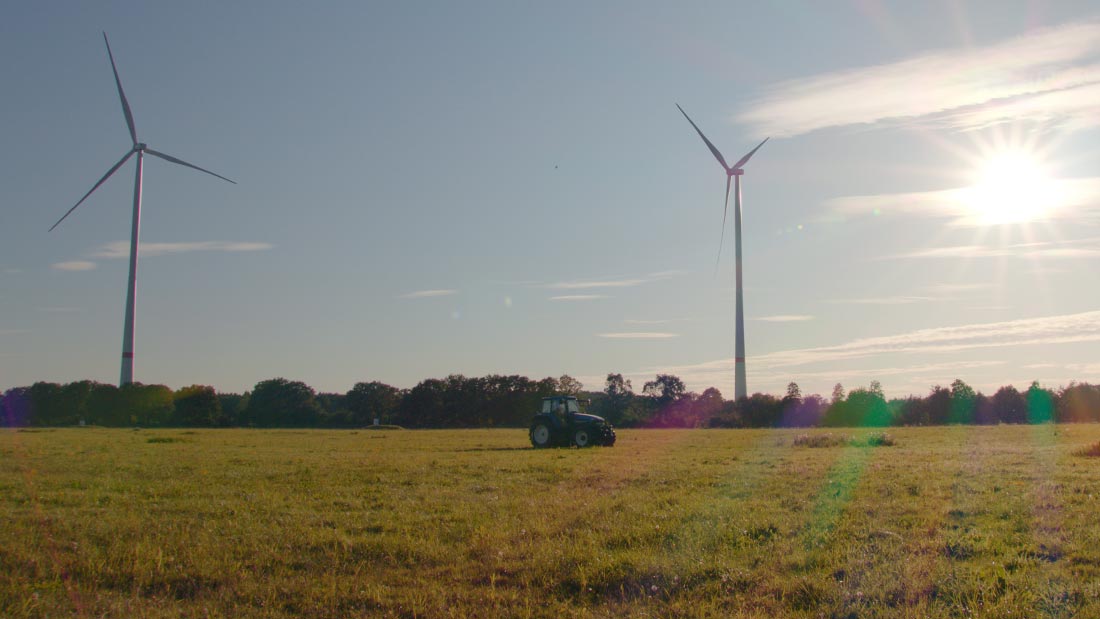
EPISODE 1/6 | A COMMUNITY TRANSFORMED: LETTER BRUCH WIND FARM

EPISODE 2/6 | AGAINST THE WIND: THE FUCHSTAL WIND FARM

EPISODE 3/6 | COMMUNITY POWER FOR EVERYONE – DRUIBERG WIND FARM

EPISODE 4/6 | WIND OF THE FUTURE: SULZ AM NECKAR AND DORNHAN GET STARTED
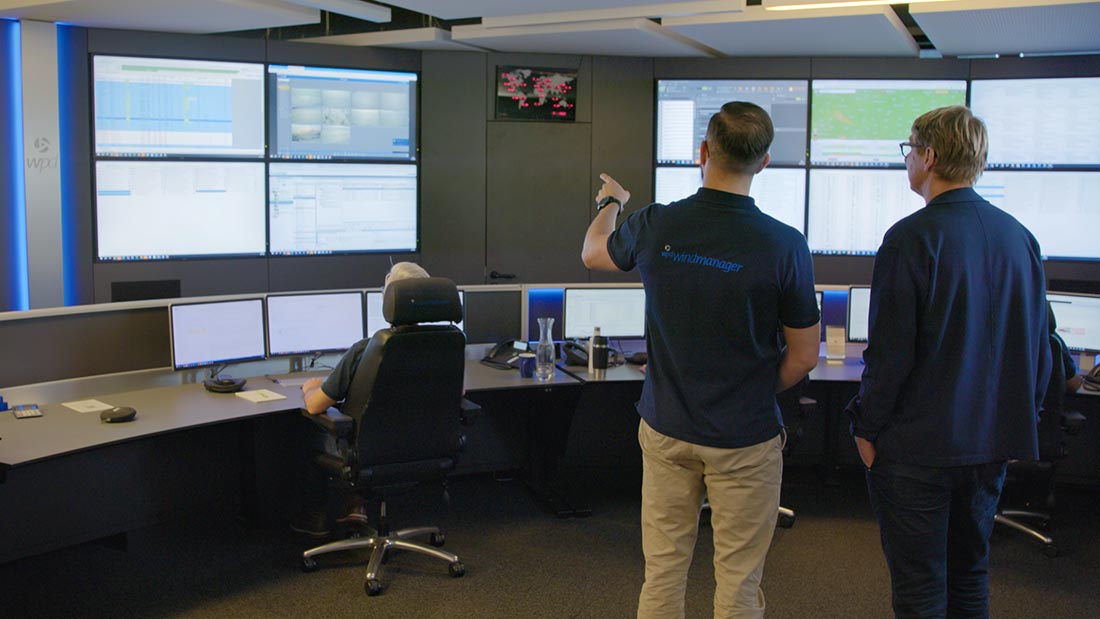
EPISODE 5/6 | WIND POWER BY CONSENSUS: THE WILSTEDT SOUTH WIND FARM

EPISODE 6/6 | DASSOW BREAKS NEW GROUND: SCHÖNBERG WIND FARM
In order to gain an objective picture of the benefits of wind energy, it is important to separate facts from myths and rely on scientific findings. Our mission was clear: to spread knowledge, dispel prejudices and explain the significance and advantages of wind energy in an entertaining way, without pointing fingers. We convey the human side of wind energy in an accessible way and let viewers experience first-hand how wind turbines not only generate clean energy, but also strengthen local communities and create economic opportunities. From impressive wind farms in picturesque landscapes to the people who have actively helped to design these turbines, we tell the stories that are often overlooked. The focus is on personal perspectives on the success stories, but at the same time, technical aspects and social challenges are also highlighted in order to provide a comprehensive picture of the people behind the wind farms: Which approaches have proven successful in terms of citizen participation? How was it possible to build trust during the planning phase? How were concerns addressed effectively and conflicts resolved? How was acceptance for the planning of the wind turbine achieved?
Each of the six episodes begins with a concise presentation by Professor Dr Volker Quaschning. The renewable energy expert introduces the film in question. He speaks directly and bluntly about key topics such as acceptance, nature conservation and public participation, taking viewers on a journey with him.
The production process for all six films was carried out with extensive consideration for social, economic and ecological sustainability. Film production was 100% climate neutral. This was ensured by the collaboration of a green consultant specially trained in green film shooting, who accompanied the film production from planning to realisation. This person ensures that the German government's minimum green standards are met and makes sure that the emissions from film production are as low as possible. In this project, our green consultant Lara took on this task and presented a final report on the emissions consumed at the end of the film production.


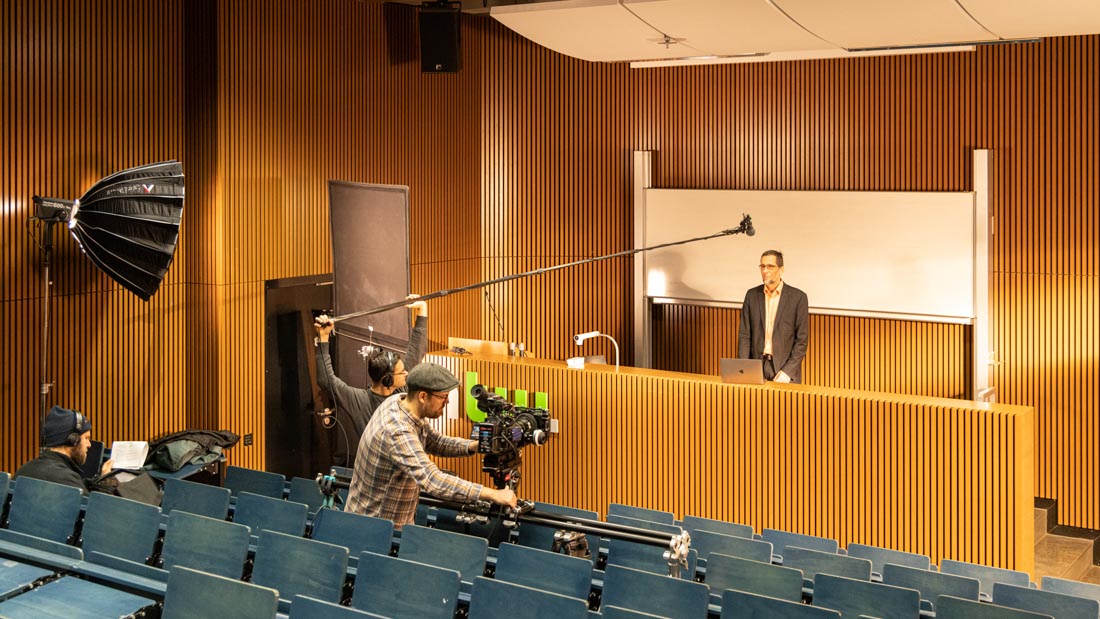
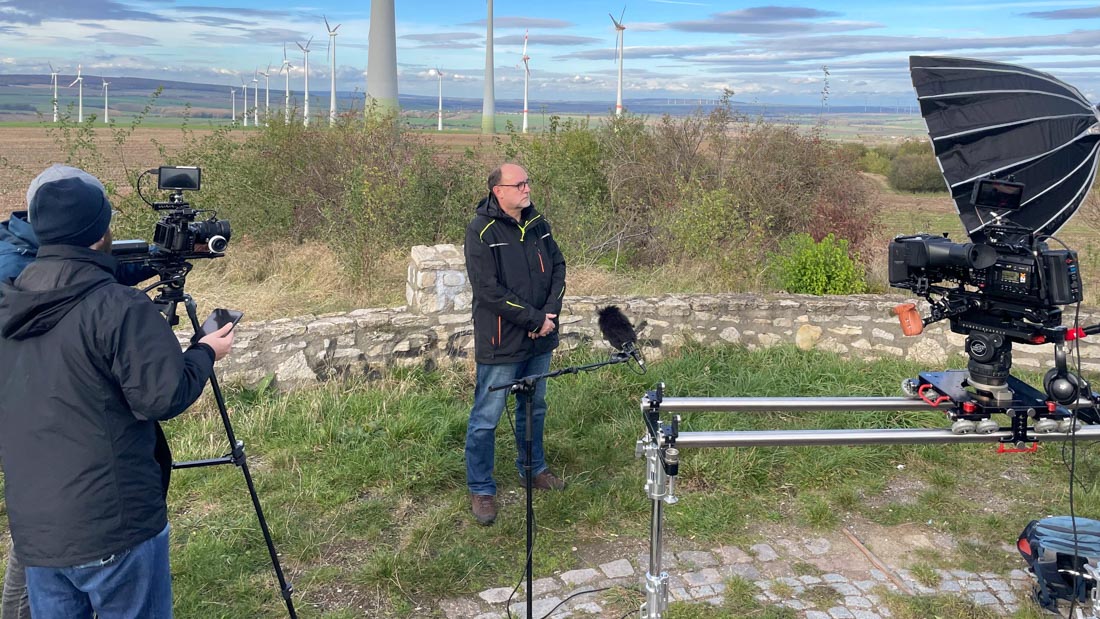
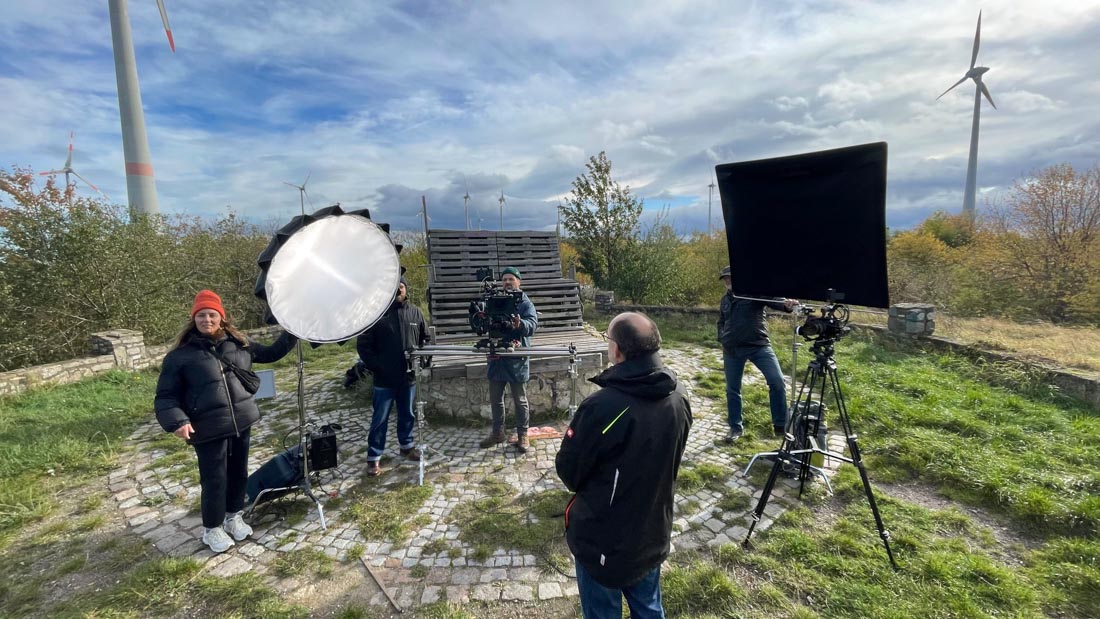


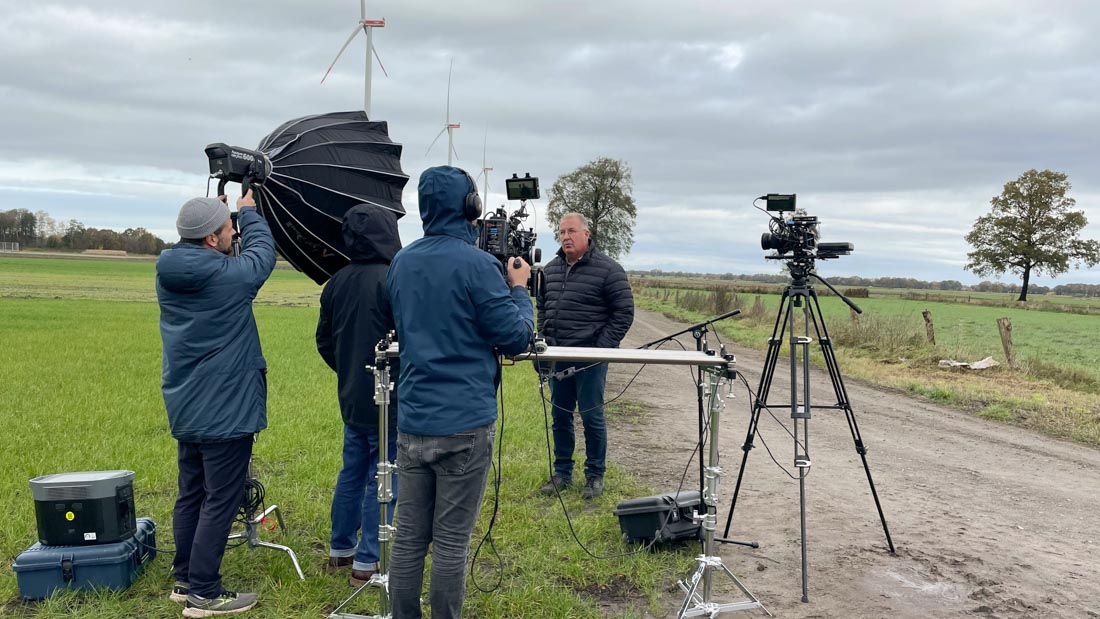
With a team of four consisting of a director, green producer, cameraman and camera assistant, we travelled throughout Germany over three shooting blocks. Filming took place over eight days within a month in Coesfeld, Fuchstal, Landsberg (Lech), Dardesheim, Dassow, Schönberg, Bremen, Wilstedt, Hamburg, Neustadt am Rübenberge, Dornhan and Sulz am Neckar. Professional 4K film and LED lighting technology with cine zoom lenses and an EcoFlow battery-powered generator were used for the documentary shoot. A second camera enriched the interviews with an additional angle of view. We used a professional camera drone to capture the wind turbines at "eye level". We produced the presentations with Professor Quaschning on one day of filming at the Berlin University of Applied Sciences. In addition to our core team of director, green producer and camera operator, the film agency also had a sound engineer, a lighting technician and a set photographer on site.



During the extensive editing process for the six films, the films could be reviewed via our feedback platform and efficiently evaluated by everyone involved at Protect the Planet. Our motion designer Henning created a uniform graphic design for the film series, including film titles, captions and other graphic inserts. In addition, he drew and animated wind turbines for the film "Sulz & Dornhan" using the scribble technique, which were then embedded in the live-action footage. The colour grading of all films, in which the design is defined with colours and contrasts, was carried out by our colourist Marcus in a professional colour grading studio. On the audio level, the interviews alternate with the very versatile music used. Our sound engineer Alex created an atmospheric sound design for the six films with natural soundscapes for wind turbines, nature and interiors.